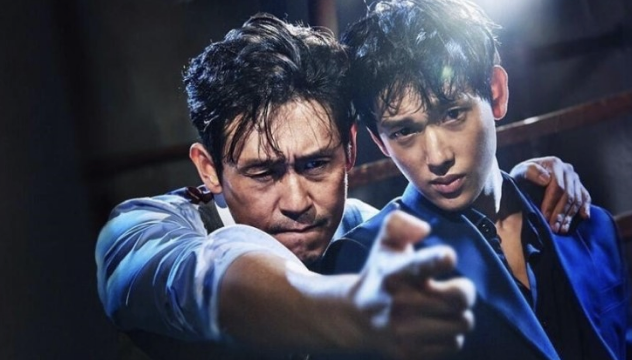
The Merciless: A Meditation on Love Disguised as Noir
누아르로 위장한 사랑에 관한 명상
📍This post is republished from our Beehiiv newsletter.
인트로
Hey there! 🍪
안녕하세요! 🍪
You’re reading Off Script — cultural notes about Korean dramas that dig deeper than subtitles.
지금 읽고 계신 건 ‘Off Script’예요 — 자막보다 깊이 파고드는 한국 드라마에 대한 문화적 노트입니다.
I stumbled upon The Merciless the way one stumbles upon old love letters—accidentally, through an algorithm that knew me better than I knew myself.
‘불한당’을 발견한 건 마치 오래된 연애편지를 우연히 발견하듯 그랬다—알고리즘이 저보다 저를 더 잘 알고 있었던 듯합니다.
After watching Good News on Netflix, the platform served me this eight-year-old film.
넷플릭스에서 ‘굿뉴스’를 본 후, 플랫폼이 8년 된 이 영화를 추천해줬어요.
Just like that, I completed my accidental Byun Sung-hyun trilogy: Kill Boksoon, Good News, and now this.
그렇게 저는 우연히 변성현 감독의 3부작을 완성했습니다: 킬복순, 굿뉴스, 그리고 이제 이 작품까지.
Let’s dive in 🤿
자, 시작해보겠습니다 🤿
왜 불한당인가
If you loved Hong Kyung in Good News, you need to understand where Byun came from.
‘굿뉴스’ 홍경을 사랑했다면, 변성현 감독이 어디서 왔는지 이해해야 합니다.
And it starts here. With The Merciless. With two men in a prison.
여기서 시작하죠. ‘불한당’과 함께. 감옥 안의 두 남자와 함께.
The setup is simple.
설정은 단순합니다.
Han Jae-ho is second-in-command in a drug trafficking organisation.
한재호는 마약 밀매 조직의 2인자입니다.
Jo Hyun-soo is an undercover cop infiltrating said organisation.
조현수는 그 조직에 잠입한 언터커버 경찰이고요.
They meet in prison, build something that looks like trust, and then everything falls apart.
그들은 감옥에서 만나 신뢰처럼 보이는 무언가를 쌓고, 그리고 모든 게 무너집니다.
But here’s what makes this film different: This isn’t about betrayal. It’s about love.
하지만 이 영화를 다르게 만드는 건 바로 이거예요: 배신에 관해서가 아닌 사랑에 관해 이야기합니다.
재호의 공
There’s this scene that keeps returning like a refrain you can’t get out of your head.
머릿속에서 지워지지 않는 후렴구처럼 계속 돌아오는 장면이 있습니다.
Jae-ho bouncing a ball. Wall. Floor. Hand. Wall. Floor. Hand.
재호가 공을 튕기는 장면. 벽. 바닥. 손. 벽. 바닥. 손.
Watch his eyes.
그의 눈을 봅시다.
He’s tracking every single movement with the precision of a man who’s spent his entire life calculating trajectories.
평생을 궤적을 계산하며 살아온 사람의 정밀함으로 모든 움직임을 추적하고 있어요.
He knows exactly where the ball will go.
공이 어디로 갈지 정확히 알고 있습니다.
This is who Han Jae-ho is—someone who predicts, calculates, and controls.
이게 바로 한재호라는 사람입니다—예측하고, 계산하고, 통제하는 자.
Remember when he says:
그는 이렇게 말합니다:
“Don’t start a war now. Everyone will just follow the money. Stay low. Wait for the perfect timing”
“지금 도발하지마. 다들 돈을 쫓아갈거야. 낮게 엎드려있어. 완벽한 타이밍을 기다려”
That’s how he takes down Chairman Go.
그렇게 그는 고회장을 무너뜨립니다.
That’s how he manipulates Hyun-soo into his orbit—step by calculated step, like a chess master playing five moves ahead.
그러한 방법으로 현수를 자신의 궤도 안으로 끌어들여요—계산된 한 걸음씩, 다섯 수 앞을 내다보는 체스 마스터처럼.
The ball never surprises him. Until it does.
공은 그를 놀라게 하지 않죠. 그를 놀라게 하기 전까지는.
첫 눈에 반하다
Why does Jae-ho fall for Hyun-soo?
왜 재호는 현수에게 빠지는가?
Sul Kyung-gu asked Director Byun this exact question: “Why does Jae-ho like Hyun-soo?”
설경구 배우가 변성현 감독에게 정확히 이 질문을 했습니다: “왜 재호는 현수를 좋아하죠?”
The director’s answer was beautifully simple: “Love at first sight.”
감독의 답은 아름답게도 단순했어요: “첫눈에 반했어요.”
Sul Kyung-gu, being the professional he is, asked how to act that out.
프로다운 설경구 배우는 어떻게 연기해야 하는지 물었습니다.
Byun told him to watch Todd Haynes’ Carol—specifically, the way Cate Blanchett looks at Rooney Mara.
변 감독은 토드 헤인즈의 ‘캐롤’을 보라고 했어요—특히 케이트 블란쳇이 루니 마라를 바라보는 방식을요.
That gaze. That longing. That hunger. No reason. No logic. Just love.
그 시선. 그 갈망. 그 갈구. 이유는 없죠. 논리도 없고요. 그냥 사랑입니다.
서로에게서 본 사랑
From Jae-ho’s perspective: Hyun-soo possesses something Jae-ho has likely never encountered in his world of calculated betrayals—unconditional love for his mother.
재호의 관점에서: 현수는 계산된 배신의 세계에서 재호가 아마도 결코 마주쳐본 적 없는 무언가를 가지고 있습니다—어머니에 대한 무조건적인 사랑.
She’s his priority. He’d die for her.
어머니가 그의 우선순위예요. 그는 어머니를 위해 죽을 수 있죠.
In a world where everything is transactional, where loyalty is bought and sold like drugs, Hyun-soo’s devotion shines like something holy.
모든 게 거래인 세계에서, 충성이 마약처럼 사고팔리는 곳에서, 현수의 헌신은 뭔가 신성한 것처럼 빛이납니다.
From Hyun-soo’s perspective: Picture this—you’re being tossed around by your police organisation like a pawn on a board you can’t even see.
현수의 관점에서: 상상해보라—당신은 보이지도 않는 판 위의 졸처럼 경찰 조직에 의해 이리저리 던져지고 있습니다.
Then in prison, someone doesn’t hesitate to take risks for you.
그러다 감옥에서 누군가 당신을 위해 주저 없이 위험을 감수해요.
Someone shows genuine kindness where kindness is rare as fresh air.
신선한 공기만큼 희귀한 곳에서 누군가 진짜 친절을 보여줍니다.
Plus, both have this playful, cheeky, easygoing charm.
게다가 둘 다 장난스럽고, 건방지고, 편안한 매력이 있어요.
People are naturally drawn to those who remind them of themselves, aren’t they?
사람들은 자연스럽게 자신을 닮은 사람에게 끌리는 거 아닌가요?
우리가 놓친 성경적 연출
Eight years have passed since this film’s release, so spoiler warnings dispensed.
이 영화 개봉 후 8년이 지났으니 스포일러 경고는 하지 않을게요.
After watching it on Netflix, I fell down a Google rabbit hole and discovered this film has a devoted cult following.
넷플릭스에서 본 후, 구글 토끼굴에 빠져들었고 이 영화에 열성적인 컬트 팬덤이 있다는 걸 발견했어요.
Their analyses made me slap my knee in recognition.
그들의 분석은 저로 하여금 무릎을 치게 만들었습니다.
The Last Supper: In the prison dining hall, Jae-ho is playing Jesus.
최후의 만찬: 감옥의 식당에서 재호는 예수를 연기하고 있습니다.
It’s framed like The Last Supper, with inmates around him like disciples.
최후의 만찬처럼 프레임이 잡혀 있고, 그 주변의 재소자들은 제자들 같아요.
He’s literally called “Jesus” in prison.
그는 말 그대로 감옥에서 “예수”라고 불리고요.
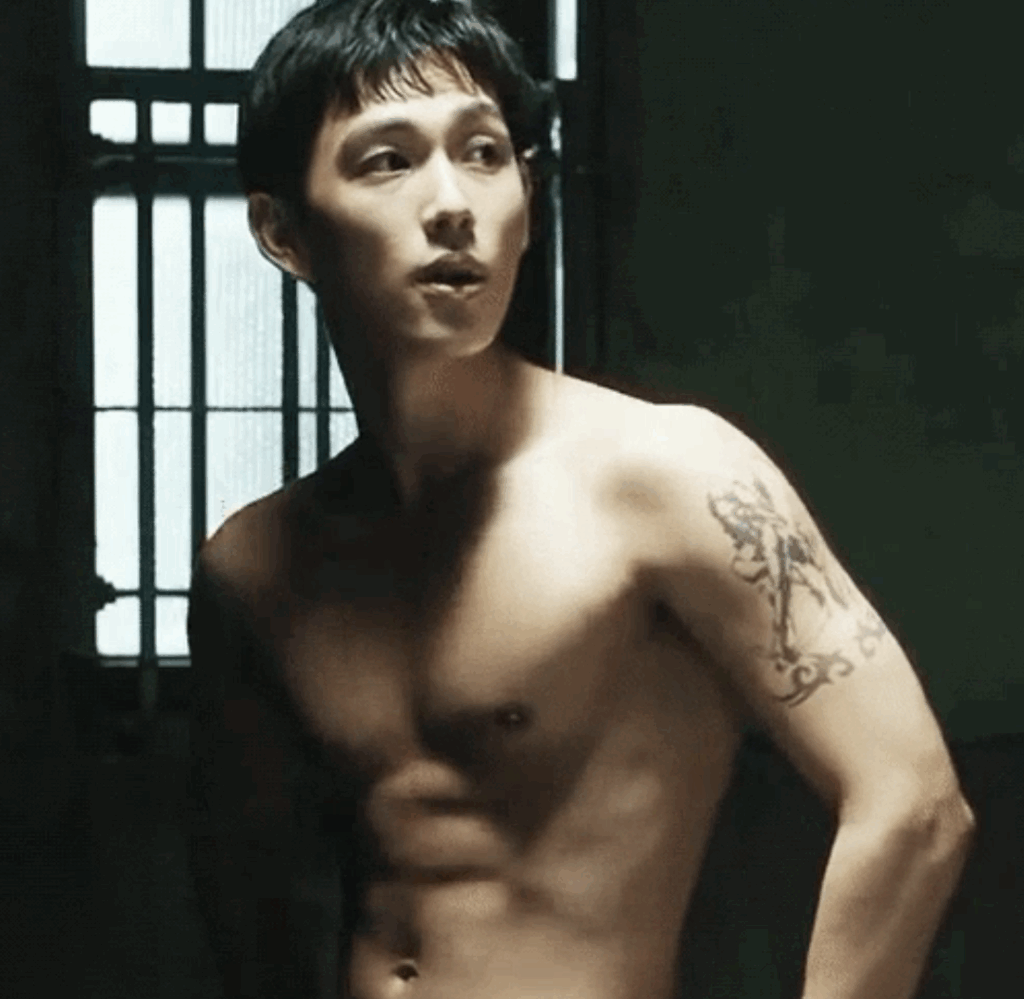
The Angel and Judas: Here’s what surprised me most.
천사와 유다: 가장 놀란 분석이었죠.
Hyun-soo has two tattoos—an angel on his arm, a scorpion on his shoulder.
현수는 두 개의 문신이 있어요—팔에는 천사, 어깨에는 전갈.
The scorpion symbolizes Judas, the betrayer.
전갈은 배신자 유다를 상징합니다.
After Hyun-soo gets shot in the arm, his angel tattoo is covered with bandages.
현수가 팔에 총을 맞은 후, 천사 문신은 붕대로 가려져요.
Only the scorpion remains visible.
오직 전갈만 남습니다.
Remember what Jesus said to Judas before the kiss?
예수가 키스 전에 유다에게 뭐라고 했는지 기억하시죠?
“Do quickly what you are going to do.”
“네가 할 일을 빨리 하라.”
And in The Merciless?
그리고 ‘불한당’에서는?
Jae-ho says to Hyun-soo as Hyun-soo chokes the life out of him:
재호가 현수에게 말합니다, 현수가 그의 목숨을 조여올 때:
“Don’t make the same mistake I did.”
“내가 한 실수를 하지 마.”
It’s the same structure. The same resignation. The same terrible love.
같은 구조. 같은 체념. 같은 끔찍한 사랑입니다.
Why Hyun-soo never eats
왜 현수는 먹지 않는가
Another detail I missed until reading fan analyses—Hyun-soo never eats.
팬 분석을 읽기 전까지 놓친 또 다른 디테일—현수는 먹지 않습니다.
Not once in the entire film.
영화 전체에서 단 한 번도 먹지 않아요.
Why? Because eating is human, earthly, mundane.
왜? 먹는 건 인간적이고, 세속적이고, 평범한 일이기 때문입니다.
And Hyun-soo? He’s an angel.
그리고 현수는? 그는 재호의 눈에 천사예요.
Not the gentle kind, but the terrifying kind—instruments of divine will capable of ruthless judgment.
온순한 종류가 아니라 무자비한 심판을 할 수 있는 신의 도구, 그런 무섭고 잔혹한 천사이기도 합니다.
레드와 블루
The film is particularly beautiful when red appears on screen.
화면에 빨강이 나타날 때 영화는 특히 아름답습니다.
Red symbolizes Jae-ho’s desire—not just sexual (though that’s present), but desire for power, connection, and love itself.
빨강은 재호의 욕망을 상징해요—단지 성적인 것만이 아니라 (그것도 있지만), 권력, 연결, 그리고 사랑 자체에 대한 욕망.

The Regard Club sequence flows like choreography: Elevator One → Club Scene → Pervert Joke Scene → Elevator Two.
리가드 클럽 시퀀스는 안무처럼 흘러갑니다: 엘리베이터 1 → 클럽 씬 → 변태라고 조크하는 씬 → 엘리베이터 2.
Sexual tension builds while they discuss seizing power.
성적 긴장감이 쌓이는 동안 그들은 권력 장악에 대해 논의하고요.
Business and pleasure bleed together until you can’t tell where one ends and the other begins.
사업과 쾌락이 섞여 어디서 하나가 끝나고 다른 하나가 시작되는지 알 수 없어요.
When he kills Chairman Go, the screen turns particularly red, and Jae-ho smokes a cigarette.
고회장을 죽일 때, 화면은 특히 빨갛게 변하고 재호는 담배를 피웁니다.
Throughout The Merciless, when a character smokes, they hold power in that relationship.
‘불한당’ 전체에서, 캐릭터가 담배를 피울 때 그들은 그 관계에서 권력을 쥐고 있습니다.
Red screen + cigarette = Jae-ho who has everything he wants.
빨간 화면 + 담배 = 원하는 모든 걸 가진 재호.
His expression explodes with sexiness—the look of someone who has both power and Hyun-soo.
그의 표정은 섹시함으로 폭발해요—권력과 현수 둘 다 가진 사람의 표정.
Then there’s blue.
그리고 파랑이 있습니다.
If memory serves, Hyun-soo never smokes throughout the film.
기억이 맞다면, 현수는 영화 내내 담배를 피우지 않습니다.
Even when blood splatters, it never stains him.
피가 튀어도 그를 더럽히지 않아요.
Blue and water have the strongest association with Hyun-soo.
파랑과 물이 현수와 연관됩니다.
So Hyun-soo is a fish that jumped into a world entirely red and hot with fire.
그러니 현수는 온통 빨갛고 뜨거운 불의 세계로 뛰어든 물고기고요.
Knowing it could die, but jumping anyway because of belief.
죽을 수도 있다는 걸 알면서도, 믿음 때문에 뛰어든 거예요.
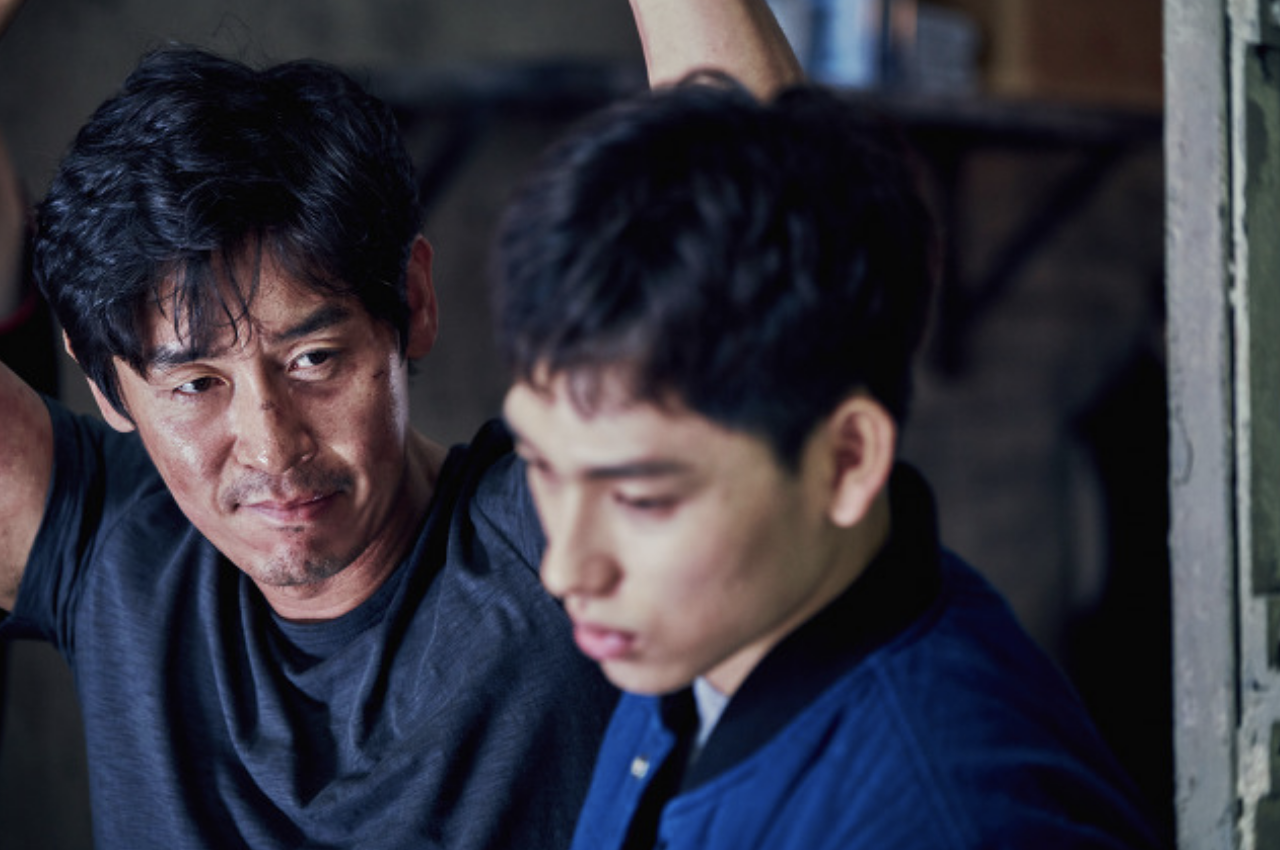
재호와 현수의 시선
In the beginning, Jae-ho makes eye contact during everything—even when deep-frying someone alive, his eyes never waver.
처음에 재호는 모든 순간에 눈을 마주칩니다—누군가를 산 채로 기름에 튀길 때조차 그의 눈은 흔들리지 않습니다.
But gradually, he starts avoiding Hyun-soo’s gaze.
하지만 점차 그는 현수의 시선을 피하기 시작해요.
Why?
왜?
First interpretation: The entire foundation of their relationship began with a lie.
첫 번째 해석: 그들 관계의 모든 기반은 거짓말로 시작되었으니까요.
The guilt grows heavier with every moment Hyun-soo looks at him with those trusting eyes.
현수가 믿음 가득한 눈으로 그를 바라볼 때마다 죄책감은 더 무거워집니다.
To look would be to confess.
바라보는 것은 고백하는 것이 될 테니까요.
Second interpretation: As Jae-ho drives to the meeting place Hyun-soo mentioned, the screen shifts from red to blue—this is where fire willingly jumps into water.
두 번째 해석: 재호가 현수가 말한 만남의 장소로 운전해갈 때, 화면은 빨강에서 파랑으로 바뀝니다—불이 자발적으로 물 속으로 뛰어드는 순간이에요.
Until now, it was water jumping into fire (Hyun-soo jumping into Jae-ho’s world).
지금까지는 물이 불 속으로 뛰어드는 거였습니다. (현수가 재호의 세계로 뛰어드는 것).
But in the final scene, fire jumps into water.
하지만 마지막 장면에서는 불이 물 속으로 뛰어듭니다.
The method Hyun-soo chooses to kill Jae-ho? Not a gun, not strangling, but covering his nose and mouth.
현수가 재호의 숨을 거두기 위해 선택한 방법은? 총도 아니고, 목 졸라 죽이는 것도 아니라, 코와 입을 막는 거였어요.
A man dying like a fish with its gills blocked, the tide rolling in, the sky turning blue.
아가미가 막힌 물고기처럼 발을 조금씩 버둥거리며 죽어가는 남자, 밀려드는 파도, 파랗게 변하는 하늘.
Fire jumped in and was finally consumed by water, by Hyun-soo, becoming a fish.
불이 뛰어들어 마침내 물에, 현수에게 삼켜진 물고기가 됩니다.

디테일로 시각화된 권력
Director Byun is meticulous about visual symbolism.
변성현 감독은 시각적 상징에 세심합니다.
Shoes: When Jae-ho has connections with prison officials, he wears pristine sneakers.
신발: 재호가 교도관과 커넥션이 있을 때, 그는 깨끗한 운동화를 신어요.
When he loses power? Barefoot.
권력을 잃을 때는? 맨발.
Regains control? Sneakers back.
다시 통제권을 되찾으면? 운동화로 복귀합니다.
Sleeping positions: In a cramped cell where multiple people must sleep, where you sleep shows the hierarchy.
잠자는 위치: 여러 사람이 자야 하는 비좁은 감방에서, 어디서 자느냐가 위계를 보여주죠.
When Jae-ho and Hyun-soo share a cell, Jae-ho gives Hyun-soo the best spot.
재호와 현수가 감방을 함께 쓸 때, 재호는 현수에게 최고의 자리를 줍니다.
And where does Jae-ho sleep? Near the toilet. The worst spot reserved for the weakest.
그리고 재호의 위치는? 변기 근처. 가장 약한 자를 위한 최악의 자리예요.
Love reflects power dynamics, doesn’t it?
사랑은 권력 역학을 반영하는 거 아닌가요?
The person who loves more has less power.
더 사랑하는 사람이 더 적은 권력을 가집니다.
Seeing him give up the bed and sleep in the lowest position—Jae-ho already loved Hyun-soo. From the very beginning.
그가 침대를 포기하고 가장 낮은 자리에서 자는 걸 보면—재호는 이미 현수를 사랑했던 거였어요. 아주 처음부터.
This dynamic continues to the ending.
이 역학은 엔딩으로 그들을 데려갑니다.
Jae-ho cannot kill Hyun-soo.
재호는 현수를 죽일 수 없어요.
But Hyun-soo stands over fallen Jae-ho with the power to decide his fate.
하지만 현수는 쓰러진 재호 위에 서서 그의 운명을 결정할 권력을 가집니다.
비대칭적 연출
Director Byun has said in multiple interviews:
변성현 감독은 여러 인터뷰에서 밝혔습니다”
The emotions between Jae-ho and Hyun-soo are melodrama.
재호와 현수 사이의 감정은 멜로드라마다.
The most sexually charged sequence? The body search scene.
가장 성적으로 충전된 시퀀스는? 몸 수색을 하는 엘레베이터 장면입니다.
Here’s what’s fascinating: Director Byun instructed Sul Kyung-gu to bring “queer sexuality” to the scene.
흥미로운 건 이거예요: 변 감독은 설경구 배우에게만 그 장면에 “퀴어 섹슈얼리티”를 담으라고 지시했습니다.
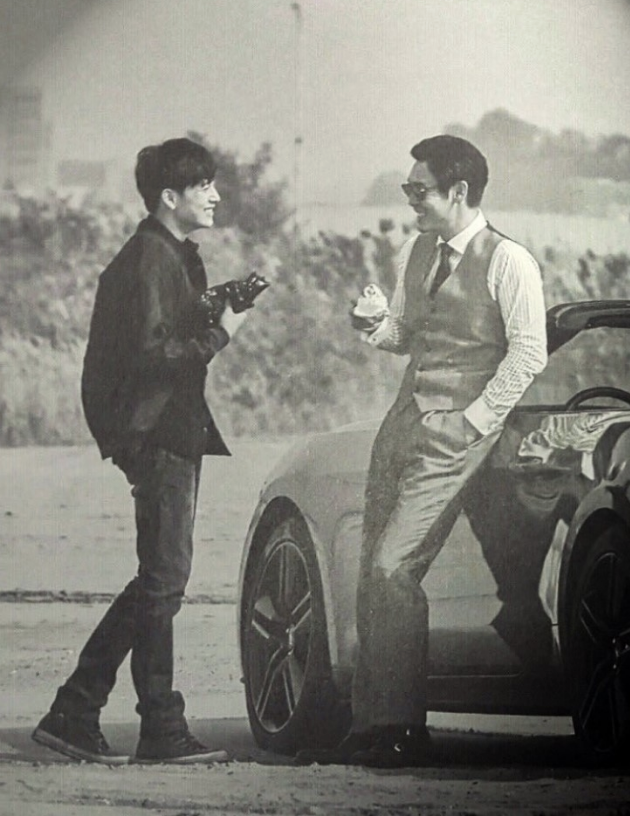
But he didn’t tell Im Si-wan.
하지만 임시완 배우에게는 따로 말하지 않았습니다.
Im Si-wan later said he had no idea it was meant to be romantic.
임시완은 나중에 그게 로맨틱하게 의도된 건지 전혀 몰랐다고 말했어요.
He played it as loyalty, duty, and respect.
그는 충성, 의무, 존경의 감정을 실었습니다.
That directorial choice creates unrequited love—always more painful, always more devastating than mutual love.
이 연출 선택은 짝사랑을 보여주죠—항상 더 고통스러운, 상호의 사랑보다 항상 더 파괴적인 사랑이요.
One person pouring everything out while the other remains unaware.
한 사람은 모든 걸 쏟아붓는데 다른 사람은 알지 못하는 거예요.
The gun as metaphor: A queer reading I encountered—guns traditionally symbolize sexuality.
은유로서의 총: 제가 접한 퀴어 해석—총은 전통적으로 성을 상징한다라는 점.
When Jae-ho shoots Hyun-soo, some read it as a sex scene.
재호가 현수에게 총을 쏠 때, 어떤 이들은 섹스 신으로 읽습니다.
Jae-ho licks his lips. “One more time?” That line, loaded with double meaning. Blood.
재호가 입술을 핥아요. “한 번 더?” 그 대사, 이중적 의미로 가득하죠. 피.
And immediately after, Team Leader Cheon goes “Ha!” as he realizes what’s between these two.
그리고 바로 직후 천 팀장이 “하!”라고 하며 이 둘 사이의 커넥션을 알아차립니다.
Why else would the shooting scene be so long and strangely intimate?
의도하지 않았다면 무려 총을 쏘고 맞는 장면이 그토록 길고도 친밀할 수 있을까요?
불꽃놀이
The fireworks scene felt so random at first. Why fireworks? Why this moment?
불꽃놀이 장면은 처음엔 다소 뜬금없게 느껴졌습니다. 왜 불꽃놀이죠? 왜 이 맥락에?
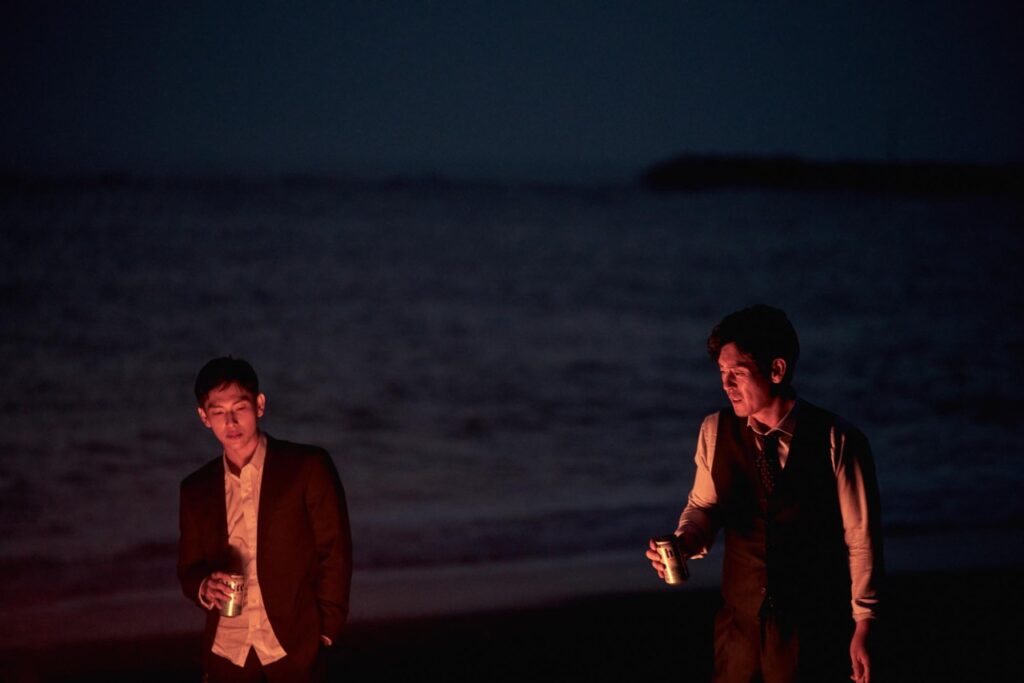
Fireworks have this characteristic—you light them and they explode brilliantly, illuminating the entire sky, then fade away into smoke and darkness.
불꽃놀이는 이런 놀이죠—불을 붙이면 찬란하게 폭발해서 온 하늘을 밝히다가, 연기와 어둠 속으로 사라집니다.
They’re beautiful precisely because they’re temporary.
일시적이기 때문에 아름답죠.
Before this scene, they’re cleaning out Choi’s place together, joking about D-Day, and spending time cheerfully.
이 장면 전에, 그들은 함께 최선장 아지트를 정리하고 D-데이에 관해 농담하며 즐겁게 시간을 보냅니다.
This is the fireworks being lit, exploding brilliantly.
둘 사이의불꽃이 점화되어 찬란하게 폭발하는 순간을 포착합니다.
Jae-ho chases Hyun-soo around playfully, both laughing, playing together like children—showing their joyful, easy relationship at its peak.
재호가 현수를 장난스럽게 쫓아다니고, 둘 다 웃으며 아이들처럼 놀고—즐겁고 편안한 관계가 정점에 달한 모습을 보여줍니다.
After this, on D-Day, Hyun-soo sides with Jae-ho and betrays the police.
이후 D-데이에, 현수는 재호 편에 서서 경찰을 배신합니다.
Team Leader Cheon plays his trump card—showing the video that changes everything.
천 팀장이 비장의 카드를 꺼내요—모든 걸 바꿔버리는 영상을 보여주죠.
This is when the fireworks begin to fade, when reality comes crashing back.
불꽃놀이가 사그라들기 시작하고, 현실이 충격적으로 돌아옵니다.
구슬치기 게임
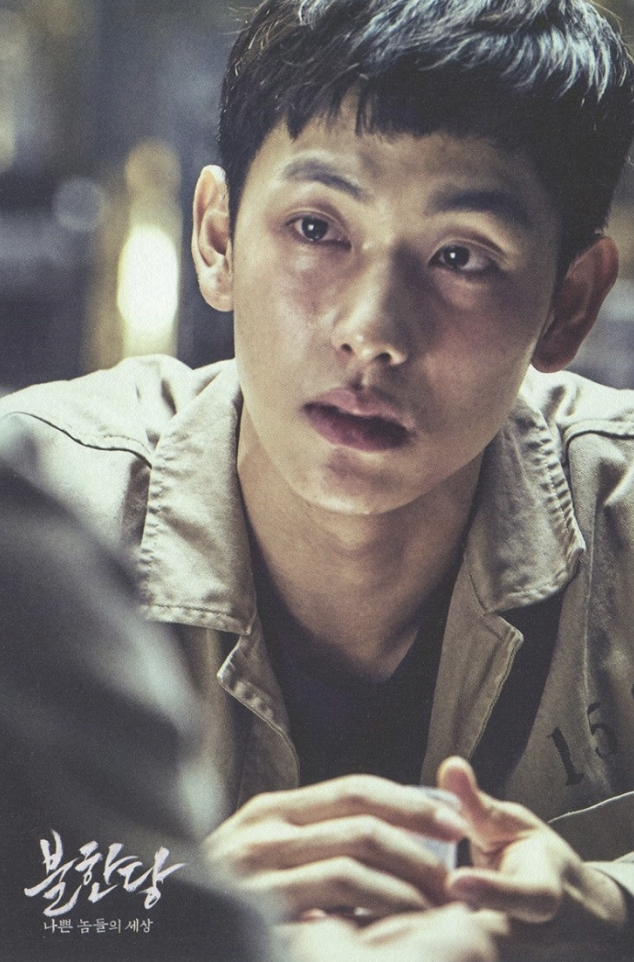
Remember how Jae-ho always controls the ball?
재호가 항상 공을 통제하는 걸 기억하죠?
There’s a scene where he plays marbles with Hyun-soo.
현수와 구슬치기를 하는 장면이 있어요.
And Jae-ho loses.
재호가 집니다.
This is the man who reads five moves ahead. How does he lose a simple marble game?
다섯 수 앞을 내다보는 이 남자가. 어떻게 단순한 구슬치기에서 질까요?
Two possibilities: He genuinely loses control when it comes to Hyun-soo. Or he lets Hyun-soo win on purpose.
두 가지 가능성: 현수에게만큼은 진짜로 통제력을 잃는다는 점. 아니면 일부러 현수가 이기게 한 거예요.
Either way, for the first time, Jae-ho isn’t in control.
어느 쪽이든, 처음으로 재호는 통제하지 못한다.
And that brings us to the ending.
이 점이 우리를 엔딩으로 데려갑니다.
Jae-ho goes to meet Hyun-soo one last time.
재호는 마지막으로 현수를 만나러 갑니다.
He knows. He absolutely knows it’s a trap. But he goes anyway.
그는 알아요. 함정인 걸 절대적으로 눈치챘습니다. 하지만 어쨌든 갑니다.
Why? Because he wants to believe.
왜? 믿고 싶기 때문이에요.
Even if just for a moment, he wants to hope the ball will bounce the way he wishes it would.
비록 한 순간이라도, 공이 자신이 바라는 대로 튀기를 희망하고 싶은 거였죠.
That’s love. Choosing belief over calculation. Choosing hope over certainty.
그게 사랑입니다. 계산보다 믿음을 선택하는 것. 확실함보다 희망을 선택하는 것.
너 완전히 씌였어
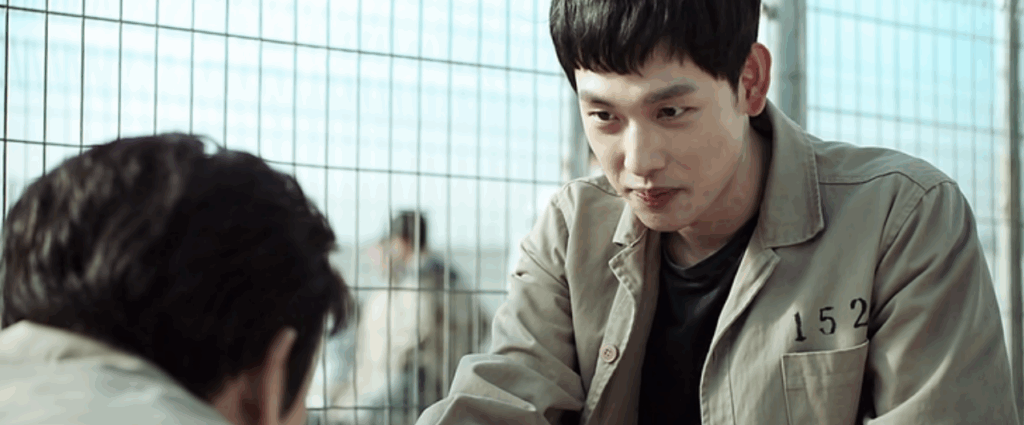
The most striking moment for me: when Jae-ho is about to kill Byung-gab, Byung-gab screams:
가장 인상적인 순간: 재호가 병갑을 죽이려 할 때, 병갑이 절규합니다:
You’re completely possessed!
완전히 씌였어!
The English subtitle says: “You’ve been fooled.” Brilliant translation.
영어 자막은 “속았어”라고 나오죠. 훌륭한 번역이에요.
In Korean, to be sseu-i-da (씌이다) means “to be possessed by a ghost.”
한국어로 ‘씌이다’는 “귀신에 홀렸다”는 의미에 가깝습니다.
We say “Are you possessed?” when someone acts crazy, or “You’ve completely changed” when someone seems like a different person.
누군가 미친 짓을 할 때 “귀신 들렸어?”라고 말하고, 누군가 완전히 다른 사람 같을 때 “완전히 변했네”라고 말하죠.
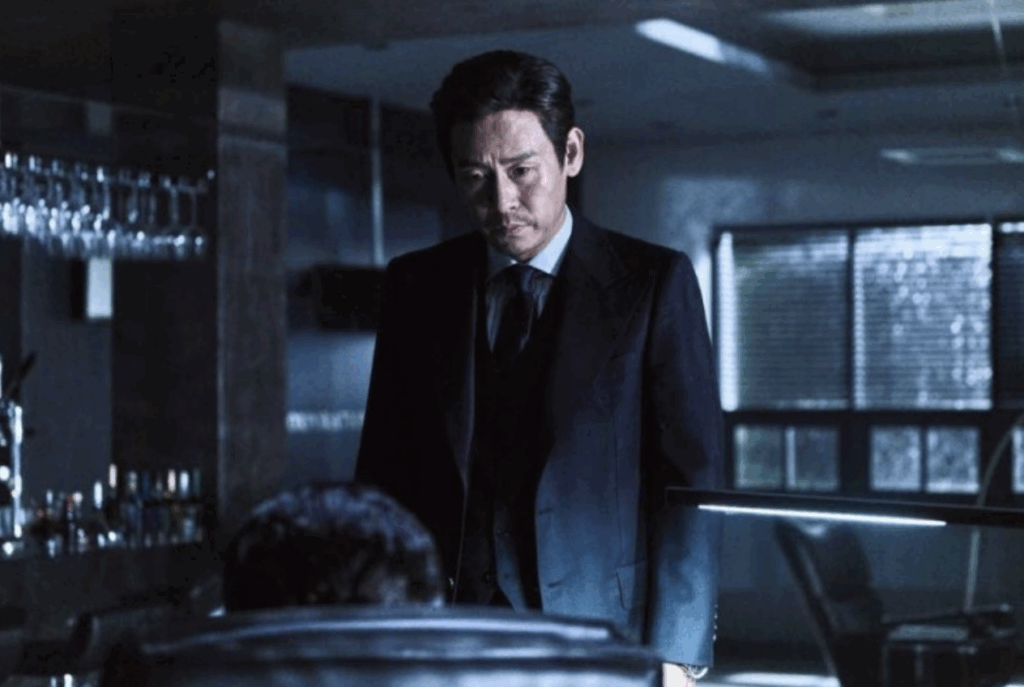
Instead of begging for his life, Byung-gab mourns Jae-ho’s fate—possessed by someone like a ghost, by Hyun-soo.
자신의 목숨을 구걸하는 대신, 병갑은 재호의 운명을 애도합니다—귀신처럼 누군가에게 씌인, 현수에게 씌인.
Korean often omits the subject. Here, Byung-gab doesn’t explicitly name Hyun-soo.
한국어는 종종 주어를 생략해요. 여기서 병갑은 명시적으로 현수의 이름을 말하지는 않습니다.
But the one who has completely “possessed” Jae-ho? It’s Hyun-soo.
하지만 재호를 완전히 “씌운” 사람은? 현수입니다.
This was the most explicit moment capturing Jae-ho’s romantic feelings.
재호의 로맨틱한 감정을 가장 명시적으로 포착한 순간이었다고 봅니다.
마지막 현수의 테스트
When Jae-ho killed his mother, rather than thinking “I’ll never forgive him,” I think Hyun-soo thought:
재호가 그의 어머니를 죽였을 때, “절대 용서 못 해”라고 생각하기보다, 현수는 이렇게 생각했을 것만 같습니다:
“Okay, if you killed even my mother to keep me by your side, how far can you go for me?”
“좋아, 나를 곁에 두기 위해 어머니까지 죽였다면, 나를 위해 얼마나 더 갈 수 있나?”
He called Jae-ho to confirm this.
그는 이 점을 확인하기 위해 재호를 불렀습니다.
Using the police who had used him, using Jae-ho for revenge against the police. Risking his own life too.
자신을 이용했던 경찰을 이용하고, 경찰에 대한 복수를 위해 재호를 이용하며. 자신의 목숨도 걸면서.
The old Hyun-soo would have rushed in consumed by revenge.
옛날의 현수라면 복수에 사로잡혀 달려들었을 겁니다.
But there’s a reason someone called him a “punk” in the film.
하지만 영화에서 누군가 그를 “양아치”라고 부른 데는 이유가 있어요.
Hyun-soo had changed.
현수는 변했습니다.
Before, he injured his right hand saving Jae-ho.
전에는 재호를 구하느라 오른손을 다쳤지만,
Now, he injured his right hand putting someone in a vegetative state.
이제는 누군가를 식물인간으로 만들면서 오른손에 부상을 입습니다.
Each testing the other.
서로를 시험하는 거죠.
변성현 감독이 그리는 위계
In Kill Boksoon, Hee-sung acted indifferent to hierarchies when he was C-tier.
‘킬복순’에서 희성은 C등급일 때 위계에 무관심한 척합니다.
But when he learns the truth, he shows up in a full suit, revealing he’d always been obsessed with rank—far more than Boksoon.
하지만 진실을 알게 되자, 정장을 차려입고 나타나 항상 등급에 집착했음을 드러냅니다—복순보다 훨씬 더.
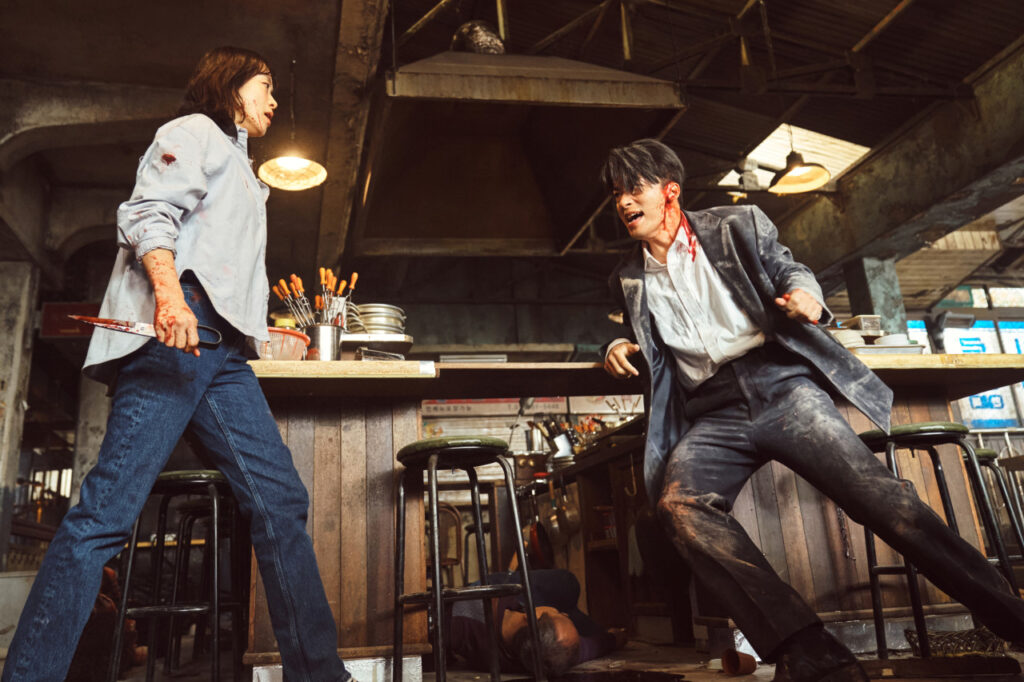
In Good News, Go-myeong is the lowest cog in the bureaucratic machine, tossed around at their convenience.
‘굿뉴스’에서 고명은 관료 기계의 가장 낮은 톱니바퀴로, 그들 편의대로 이리저리 던져집니다.
Director Byun loves exploring who sacrifices in power structures:
변성현 감독은 권력 구조에서 누가 희생하는지 탐구하길 좋아합니다:
- The Merciless: Jae-ho willingly “loses” for Hyun-soo—the one who loves more sacrifices more
- ‘불한당’: 재호는 현수를 위해 기꺼이 “진다”—더 사랑하는 사람이 더 희생한다
- Kill Boksoon: Hee-sung rebels and gets killed
- ‘킬복순’: 희성은 복순 선배를 짝사랑하고 반항하다 죽는다
- Good News: Go-myeong is just one replaceable gear
- ‘굿뉴스’: 고명은 그저 관료 시스템의 교체 가능한 톱니바퀴일 뿐이다
I’m eager to see what structure he uses next.
다음엔 어떤 구조를 사용할지 기대됩니다.
컬트의 탄생
The Merciless failed at the box office in 2017.
‘불한당’은 2017년 박스오피스에서 좋은 성적을 거두진 못했습니다.
But something interesting happened: the film found its audience on streaming platforms.
하지만 흥미로운 일이 일어났어요: 영화가 스트리밍 플랫폼에서 관객을 찾았습니다.
A cult fandom formed. They called themselves Bulhandang-won—”The Merciless Crew.”
컬트 팬덤이 형성되었고, 그들은 스스로를 불한당원이라고 부릅니다.
The Merciless is streaming on Netflix now.
‘불한당’은 지금 넷플릭스에서 스트리밍 중입니다.
This time, watch for:
이번엔, 이걸 주목해보세요:
The ball bounces and where Jae-ho’s control slips
공이 튀는 것과 재호의 통제가 미끄러지는 곳
The body search scene and the asymmetry of desire
몸 수색 장면과 욕망의 비대칭
The marble game and what it means to lose
구슬치기 게임과 지는 것의 의미
The symphony of red and blue, fire and water
빨강과 파랑의 심포니, 불과 물
The evolution of eye contact, how avoiding the gaze becomes communication
시선의 진화, 시선을 피하는 것이 어떻게 소통이 되는지
How a man who controls everything loses control of the one thing he loves most
모든 걸 통제하는 남자가 가장 사랑하는 단 하나를 통제하지 못하는 방법
Watch fire become water, become a fish, and die.
불이 물이 되고, 물고기가 되고, 숨을 거두는 것을 보자.
Because that’s what love is, isn’t it?
왜냐하면 그게 사랑이니까, 그렇지 않나?
Not control, but the willing surrender of it.
통제가 아니라, 기꺼이 사랑에 항복하는 것.
Not calculation, but the leap into blue water even when you’re made of fire.
계산이 아닌, 불로 만들어졌어도 파란 물 속으로 뛰어드는 것이다.
Even when—especially when—you know it will kill you.
사랑으로부터 죽임을 당할 것을 알면서도—특히 알기에—말입니다.
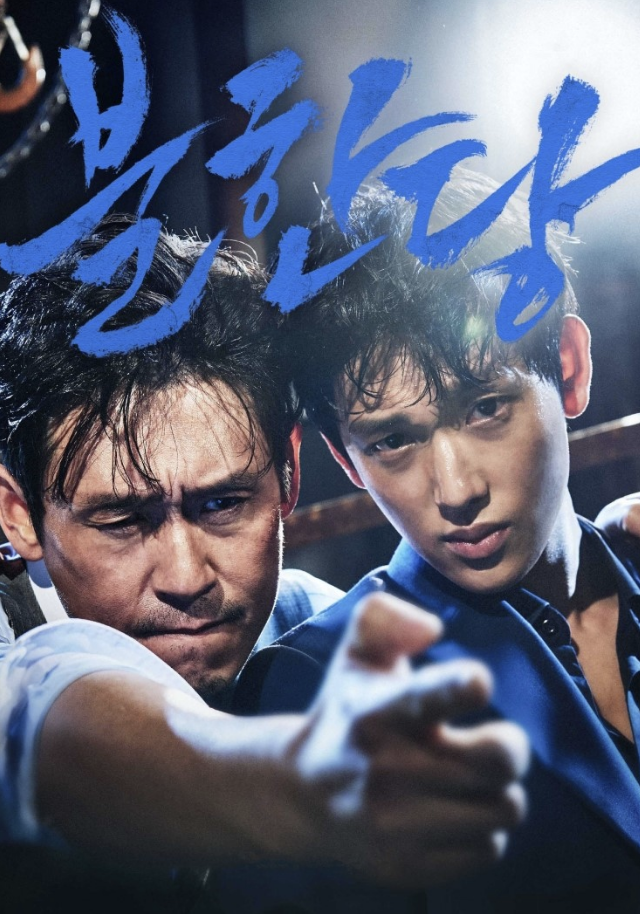
🚫 Copyright Disclaimer: All drama footage, images, and references belong to their respective copyright holders including streaming platforms and original creators. Materials are used minimally for educational criticism and analysis.
🚫 저작권 고지: 모든 드라마 장면, 이미지, 참조는 스트리밍 플랫폼과 원작자를 포함한 각 저작권 소유자에게 속합니다. 교육적 비평과 분석을 위해 최소한으로 사용되었습니다.
답글 남기기